Rodent and Wildlife Removal for Oklahoma City Homes
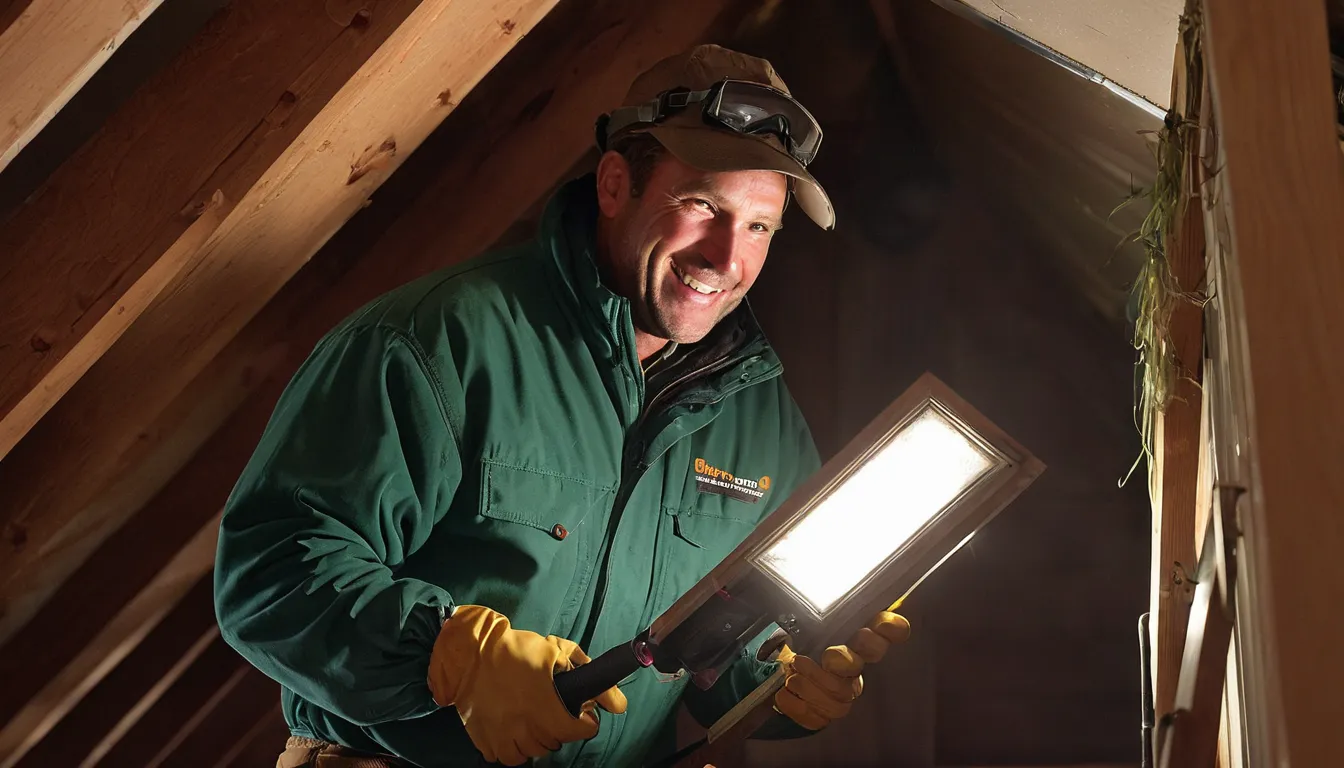
What is that noise in the attic, and who do I call? That is the question Supremematerials Pest Control hears most. Mice, rats, squirrels, raccoons and bats all look for shelter when the weather turns. In the Oklahoma City area, big temperature swings, hail and spring storms give them plenty of reasons to move in.
Supremematerials Pest Control is a referral service. It does not do the work. It connects homeowners with independent local providers who handle rodent and wildlife removal. They find the entry points, remove the animals in a careful way and help close the gaps. Older houses may need a closer look, since aging materials and past repairs can hide small openings. Request a callback to check provider availability, or send a request for an estimate.
Scratching in the Attic or Walls? Start Here
What is that noise, and who do I call? You are asking the right question. Scratching, thumping or squeaking usually means an animal has found a way inside. A local provider can work out which animal it is and what to do next. If you typed "exterminator near me" into a search box, you are in the right spot.
Why Should I Not Wait?
It is tempting to hope the noise goes away. It rarely does. Rodents chew wires and pipes, and they multiply fast. Wildlife mothers may be raising babies in your insulation. Droppings and urine soak into materials and cause smells. A small problem now can turn into a larger repair later.
What Signs Should I Watch For?
Some signs are loud. Others are quiet. Look and listen for these:
- Scratching or running sounds in walls and ceilings
- Droppings near food, in drawers or in the attic
- Gnaw marks on wood, wires or stored boxes
- Greasy rub marks along baseboards
- Torn insulation or flattened nesting spots
- A musky or sharp smell that keeps coming back
- Damaged vents, soffits or roof edges
What Does the Season Have to Do With It?
Ask the season. It tells you what to expect and when a provider is most useful. Our weather swings a lot, so the animals' habits swing with it.
Fall: Is It Time to Seal Up?
Yes. Cooler nights send mice and rats looking for a warm spot. Fall is a smart time to find gaps before the first hard cold.
Winter: Why Are Mice in My Walls Now?
Cold, dry winters make warm walls and stored food very attractive. Noises in the walls at this time of year often point to rodents.
Spring: Could Storms Have Let Something In?
Hail and high wind can crack roof edges, loosen vents and lift flashing. Spring is also nesting season, so squirrels, raccoons and others look for quiet attic corners.
Summer: Are We in the Clear?
Not always. Bats and birds may settle in, and some animals shelter from the heat in crawl spaces and under porches.
Does an Older House Need Extra Care?
Older house, closer look. Aging siding, crumbling mortar, worn chimney caps and loose trim can all hide small openings. Past repairs may have covered a gap on the outside while leaving the nest inside. Frame homes with basements or storm cellars have many spots where wood meets stone or concrete. A careful provider checks those joints, not just the obvious hole.
Which Animals Do Providers Handle?
Providers in our network commonly deal with:
- Mice and rats
- Squirrels and chipmunks
- Raccoons and opossums
- Skunks
- Bats, where local rules allow removal
- Birds nesting in vents or eaves
Termites, ants and bed bug treatment are different jobs and belong to other kinds of pest control.
How Does Removal Work?
Question first, then action. Here is the usual path:
- The provider inspects the attic, walls, crawl space and roof line.
- They identify the animal and find every entry point.
- They choose a method, such as traps, one-way doors or careful hand removal.
- They seal the openings with sturdy materials.
- They may suggest cleanup of droppings and soiled insulation.
Methods vary by animal and by season, so ask the provider to explain the plan.
Is the Work Humane, and Are There Rules?
Many areas have rules about trapping, relocating and handling wildlife. Some animals are protected, and baby season can limit what is allowed. A good provider knows the local rules and explains them in plain words. Ask how they handle young animals before you agree to a plan.
How Do I Choose a Provider?
A few simple questions help:
- Do they hold any licenses or permits your area requires?
- Do they carry insurance?
- Will they give you a written quote?
- Does the plan include sealing entry points, not only removal?
- Do they explain what happens if the animals return?
What About Cleanup and Damage?
Removal is only half the story. Droppings, nesting and chewed wiring may need attention. Some providers handle cleanup, and others suggest a separate specialist. Some policies may cover sudden damage, so check your policy. Providers can often help document damage for a claim.
How Do I Keep Animals Out Afterward?
A little yearly care goes a long way:
- Trim branches that touch the roof
- Keep firewood away from the walls
- Store pet food and birdseed in tight bins
- Cap chimneys and screen vents
- Fix loose siding and damaged soffits
- Check the roof after every hail or wind storm
Ready for the Next Step?
You do not have to figure this out alone. Tell Supremematerials Pest Control what you are hearing, and we will point you toward an independent local provider who can take it from there. Prefer to write it down? Request an estimate and describe the noise.
What's Included
Careful Inspection
A provider checks the attic, walls, crawl space and roof line to find the animal and every way in.
Animal Removal
Traps, one-way doors or hand removal, chosen to fit the animal and the season.
Entry Point Sealing
Gaps, vents and damaged trim get closed up so animals cannot return.
Cleanup Advice
Providers can point out soiled insulation and droppings that may need cleaning or replacing.
What Might Rodent and Wildlife Removal Cost?
Prices vary by animal, home size, roof access and how many entry points there are. These are typical U.S. ranges only. Ask any provider for a written quote before work starts.
| Service | Typical range | Notes |
|---|---|---|
| Inspection and diagnosis | $75 – $300 | Sometimes applied to the job |
| Mouse or rat removal | $200 – $700 | Often includes follow-up visits |
| Squirrel or raccoon removal | $300 – $1,000 | Higher if babies are present |
| Bat exclusion | $500 – $2,500 | Depends on building size and timing |
| Sealing entry points | $150 – $1,000 | Older homes may need more work |
| Attic cleanup and insulation | $500 – $5,000 | Varies with the area affected |
How It Works
Describe the Noise
Tell us what you hear, where you hear it and when. Details help match you with the right provider.
Get Connected to a Provider
Request a callback to check availability, or send a request for an estimate.
Review the Inspection Plan
The provider finds the animal and entry points, then explains the method and quote.
Seal Up and Stay Ready
Once the animals are out, the openings get closed, and you learn how to keep them out.
Why Call Supremematerials Pest Control
Providers Who Know Local Weather
Storms, hail and cold snaps shape animal behavior, and local providers plan around them.
Older-Home Awareness
Providers look past the obvious hole to hidden gaps, worn trim and old repairs.
Plain Answers
Ask your question, get a clear next step, and see a written quote first.
Independent Providers
Each provider runs their own business and does the work. Supremematerials Pest Control only makes the introduction.
Other Services
Need rodent & wildlife removal services in Oklahoma City?
Tell us what you are seeing at home. Supremematerials Pest Control will point you to independent local providers who can inspect, quote and do the work.
No obligationRodent & Wildlife Removal Services FAQ
How do I know if I have mice or something bigger in my attic?
Light, quick scratching often means mice. Heavier thumping or dragging sounds can point to squirrels or raccoons. Droppings and damage help too. A provider can inspect the space and tell you exactly which animal it is.
Is it safe to seal the hole myself?
Be careful. Closing a hole with animals still inside can trap them and cause bigger problems, especially in baby season. It is smarter to have a local provider confirm the space is empty before anything gets sealed.
Does homeowners insurance pay for animal damage?
It depends on your policy. Some policies may cover sudden damage, but many exclude damage from pests over time. Check your policy, and know that providers can often help document damage for a claim.
Get in touch
Tell us what you are seeing at home. Supremematerials Pest Control will point you to independent local providers who can inspect, quote and do the work.
No obligation